

Understanding the psychological triggers behind gambling behavior
The Allure of Risk and Reward
The excitement of gambling often stems from the thrill of risk and the possibility of reward. This interplay between danger and gain activates the brain’s reward system, making it appealing to many individuals. As they pursue experiences that heighten their excitement, more players start to explore options like poker online, where the anticipation of winning can produce feelings of euphoria, easily overshadowing the potential for loss. Such a dynamic can lead to repeated gambling behavior, as players seek to relive that initial rush.
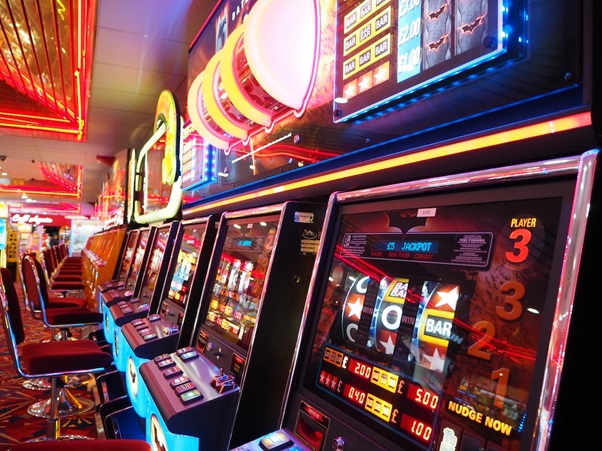
Moreover, the concept of “near misses” in gambling can further enhance this thrill. Players frequently experience moments where they almost win, which can trigger a false sense of confidence. These near misses can create a powerful psychological feedback loop, prompting individuals to continue gambling in hopes of achieving that elusive win.
The Role of Cognitive Biases
Cognitive biases play a significant role in how individuals perceive gambling outcomes. For instance, the illusion of control can lead gamblers to believe they have more influence over their luck than they actually do. This belief can cause them to engage in gambling activities more frequently, thinking that their actions can directly impact the results.
Another common bias is the gambler’s fallacy, which is the mistaken belief that past events affect future outcomes. This can lead individuals to make irrational decisions, like continuing to play despite a losing streak, convinced that a win is due. Such cognitive distortions can significantly influence gambling behavior and decision-making.
The Impact of Social and Environmental Factors
Social influences can significantly affect gambling behavior. Peer pressure, cultural attitudes toward gambling, and the normalization of gambling in certain environments can all contribute to an individual’s decision to gamble. When gambling is framed as a social activity, it becomes more enticing and acceptable, making individuals more likely to participate.
Additionally, the environment in which gambling takes place—like casinos and online platforms—can amplify the experience. The sensory stimulation from lights, sounds, and interactive features can create an immersive atmosphere that encourages prolonged engagement. These environmental cues often lead individuals to gamble more than they initially intended, further reinforcing the behavior.
The Emotional Factors at Play
Emotions significantly influence gambling behavior, with many individuals using gambling as a coping mechanism for stress or anxiety. The temporary escape that gambling provides can make it an attractive option for those seeking relief from emotional burdens. Unfortunately, this can lead to a cycle of dependence, where the gambler increasingly relies on gambling to manage their feelings.
Additionally, feelings of loneliness or boredom can drive individuals to gamble in search of excitement or connection. The emotional highs and lows associated with gambling can create a rollercoaster effect, making it hard for individuals to step away, as they crave the euphoric feelings that winning can bring, even if they are often followed by regret and loss.

Exploring Further: Resources and Support
Understanding the psychological triggers behind gambling behavior is essential for those seeking to make informed decisions or those struggling with gambling addiction. Various organizations provide resources and support systems for individuals affected by gambling, emphasizing the importance of awareness and education.
By exploring these resources, individuals can better understand their behaviors and seek help if necessary. Awareness of psychological triggers can empower individuals to make healthier choices regarding gambling and lead to improved well-being and mental health.